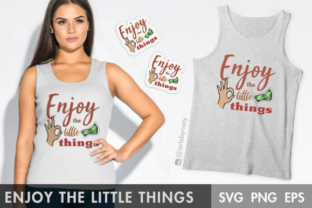
Reviewing Enjoy the Little Things Illustration for Embroidery
As a designer who has spent countless hours digitizing and stitching out thousands of files, I have learned that not every pretty graphic translates well into thread. When I first pulled up Enjoy the Little Things Illustration, my initial reaction was one of cautious optimism. The concept—celebrating small joys with a humorous nod to money—is universally relatable, especially for the entrepreneur crowd. But as embroidery professionals, we know that visual appeal on a screen is only half the battle. The real test is how those lines behave under the needle.
This review dives into the practical realities of using this design in a commercial or personal embroidery project. I am looking at it through the lens of someone who needs to deliver a high-quality finished product to a client or customer, whether that is a custom tote, a boutique sweatshirt, or a unique gift item.
First Impressions and Visual Personality
The mood of Enjoy the Little Things Illustration is playful yet grounded. It strikes a balance between whimsical and modern, which is a difficult tightrope to walk in design. For an Etsy seller or craft business owner, this versatility is gold. It does not scream "cheap novelty," nor does it feel so abstract that it loses its message. The layout appears clean, which suggests that the digitizer likely prioritized clarity over excessive detail. This is crucial because overly complex Illustrations often turn into muddy messes when stitched out on textured fabrics.
The theme resonates strongly with current market trends. We are seeing a surge in demand for items that reflect personal values and humor. This design fits perfectly into the niche of motivational yet lighthearted decor. As a piece of Graphics intended for conversion into a machine embroidery design, it seems to respect the limitations of the medium. The shapes look distinct, which is a good sign for stitch definition.
Real-World Application: The Custom Tote Scenario
To truly evaluate this design, I imagined a specific use case: creating a premium canvas tote bag design for a local coffee shop owner who wants to sell merchandise. The target audience is young professionals and freelancers who appreciate a good laugh about their hustle.
In this scenario, Enjoy the Little Things Illustration shines. Canvas is a stable, woven fabric that handles stitch density well. I would likely place the design centrally on the bag, ensuring there is enough margin for the hoop. The contrast between the thread and the natural canvas color would need careful selection. If the design relies on fine lines, I would opt for a slightly thicker thread weight to ensure visibility. The result would be a sturdy, stylish accessory that feels like a genuine handmade product rather than mass-produced inventory.
Another strong contender for this design is sweatshirt embroidery. A crewneck sweatshirt provides a soft, forgiving background. However, here we must consider the pile of the fabric. If the design includes tiny text or intricate corners, the fleece might swallow the details. I would recommend using a cut-away stabilizer to prevent puckering, especially since sweatshirts are heavy garments that undergo frequent washing. The playful nature of the quote makes it an ideal personalized gift for graduates, new business owners, or anyone needing a morale boost.
Navigating Technical Challenges
While the design is appealing, there are areas where caution is necessary. Any designer worth their salt knows that what looks good in a vector file can fail in the hoop. Here are the critical factors to consider before loading this digital embroidery file into your machine.
- Fabric Texture and Stability: On thin or stretchy fabrics, such as lightweight t-shirts or baby clothes, the stitch pull can distort the garment. If you are attempting baby embroidery with this design, ensure you use a high-quality tear-away or cut-away stabilizer depending on the fabric weave. Avoid placing it on highly elastic materials without proper backing.
- Stitch Density and Type: Without seeing the actual stitch file, I cannot confirm the exact density. However, designs with large filled areas can become stiff and uncomfortable on apparel. If this illustration uses heavy fill stitch regions, consider breaking them up with satin columns or running stitches if you have editing software. For caps and curved surfaces, high density is a recipe for distortion. Keep the design size moderate to maintain the structural integrity of the hat.
- Small Details and Lettering: The phrase "Enjoy the Little Things" implies a focus on detail, but in embroidery, smaller is not always better. Tiny lettering can become illegible if the thread thickness is too great for the font size. Always do a test stitch-out on scrap fabric identical to your final material. Check if the running stitch outlines are sufficient to define shapes without adding bulk.
- Color Contrast: This design likely relies on specific thread colors to convey its message. On dark fabrics, light threads may require a higher stitch count to cover the background, potentially increasing production time. Test your color palette on both light and dark backgrounds to ensure readability.
Enhancing Product Value and Brand Consistency
Using a well-chosen design like Enjoy the Little Things Illustration can significantly impact your brand perception. Customers associate clean, crisp stitching with professionalism. If the design stitches out cleanly, with no thread breaks or bird nests, it builds trust. It shows that you care about quality control.
For commercial embroidery projects, consistency is key. If you are producing a batch of aprons for a bakery or patches for a corporate event, this design’s balanced layout allows for efficient hooping and minimal trimming. It serves as a reliable design asset that can be scaled slightly up or down to fit different products without losing its core identity.
Moreover, the emotional connection of the design drives sales. It is not just a picture; it is a conversation starter. When a customer sees this on a pillow cover or a tea towel, they smile. That emotional response increases the perceived value of the item, allowing you to price your small shop product competitively while maintaining healthy margins.
Practical Designer Notes for Success
Before you commit to selling items made with this design, take these practical steps to ensure success:
- Verify Licensing: Always confirm the license terms provided with the embroidery file. Ensure you have the right to use it for commercial purposes if you plan to sell finished goods. Never assume; always read the documentation.
- Test on Scrap Fabric: Never stitch directly on your final product. Use a scrap piece of the exact same fabric and stabilizer combination. This reveals issues with tension, density, and registration.
- Check Hoop Size Compatibility: Ensure the design fits comfortably within your available hoop sizes. Leaving adequate margin around the design prevents hoop burns and allows for easier framing.
- Create Printable Mockups: Use digital tools to create printable mockup images of the design on various products. This helps you visualize the final look and creates marketing content for your online store before you even stitch a single thread.
- Inspect Stitch Types: If you have access to the digitized file, inspect the stitch types. Look for efficient pathing that minimizes jumps and trims. Efficient digitizing saves time and thread, directly impacting your profitability.
In conclusion, Enjoy the Little Things Illustration is a promising addition to any designer’s library. It offers a blend of humor and aesthetic appeal that works well across a variety of mediums, from custom apparel to home decor. By approaching it with a critical eye for technical execution—paying attention to stabilizer choice, fabric type, and stitch density—you can transform this digital graphic into a tangible, high-value product. Remember, the difference between a good design and a great embroidered item lies in the preparation and attention to detail. Happy stitching.