Kale Yeah Quote: A Designer’s Embroidery Review
As an embroidery designer who has spent countless hours digitizing, stitching, and troubleshooting designs for clients, I approach every new machine embroidery design with a critical eye. It is not just about whether the artwork looks cute on a screen; it is about how it translates to thread, how it behaves on fabric, and ultimately, how it performs in a real-world embroidery project. Recently, I evaluated the Kale Yeah Quote, a playful typographic piece that has been gaining traction among crafters. While marketed primarily as an SVG for cutting machines, its potential in the embroidery world warrants a closer look for those of us turning digital assets into tangible goods.
First Impressions: Mood and Visual Personality
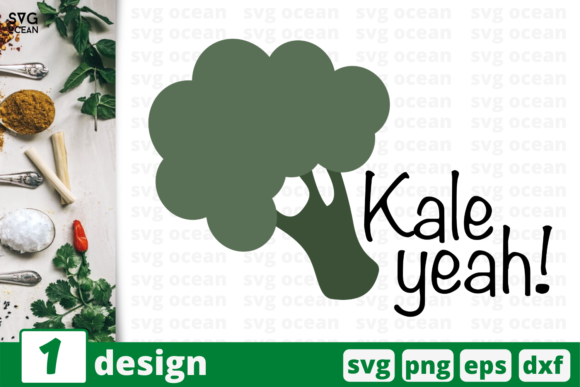
The first thing that strikes you about the Kale Yeah Quote is its spirited energy. The phrase itself is a pun, blending health-conscious humor with enthusiastic affirmation. Visually, the layout tends to favor bold, rounded typography that suggests friendliness and approachability. For an embroidery designer, this is a double-edged sword. Bold letters are generally forgiving, but the specific curves and connections in quote-based graphics require careful attention to stitch direction to avoid puckering.
The mood created by this design is undeniably casual and modern. It fits seamlessly into the current trend of wellness-oriented home decor and apparel. When I visualize this stitched out, I do not see it as a formal or traditional motif. Instead, it screams "lifestyle brand." It belongs on items that are meant to be used daily, smiled at, and shared on social media. This immediate emotional connection is vital for Etsy sellers and small shop product creators who rely on impulse buys driven by relatable humor.
Real-World Application: From Screen to Stitch
To truly test the viability of the Kale Yeah Quote, I imagined a specific scenario: creating a custom embroidered tote bag for a local farmer’s market vendor. Tote bags are typically made from canvas or heavy cotton, fabrics that can handle higher stitch density without distortion. In this context, the design would likely need to be scaled up to ensure legibility. If the original file is optimized for vinyl cutting, the lines might be too thin for direct embroidery without manual digitizing adjustments.
However, if we assume the design has been properly converted or is available as a dedicated embroidery file, the application possibilities expand. Consider sweatshirt embroidery. A crewneck sweatshirt provides a stable, thick surface ideal for text-based designs. The contrast of bright green thread against a heather gray fabric would make the "Kale" element pop, reinforcing the theme. For custom apparel like t-shirts, one must be cautious. Thin jersey fabrics require lightweight stabilizer and potentially a backing patch if the design is dense, to prevent the garment from warping after washing.
Another strong candidate for this design is the embroidered patch. Patches allow for high-density stitching on a stable twill base, which can then be ironed or sewn onto various items. This makes the Kale Yeah Quote versatile for craft business owners who want to offer add-on merchandise. It also works well for holiday embroidery gifts, particularly for New Year’s resolutions centered around health, or as a quirky personalized gift for a nutritionist or yoga instructor.
Navigating Technical Challenges
While the concept is strong, practical execution requires vigilance. One of the primary concerns with quote-based graphics is the size of the text. If you attempt to stitch this on a small hoop size, such as a 4x4 inch hoop, the lettering may become too small. Tiny details in fonts can lead to thread breaks or illegible results. I always advise testing the design on scrap fabric first, specifically using the same thread weight and needle type intended for the final finished product.
Fabric texture also plays a crucial role. On textured fabrics like terry cloth towels or fuzzy fleece, fine details can get lost. In these cases, increasing the scale of the design or using a satin stitch border around the letters can help define the edges. For stretchy fabrics, such as those used in baby embroidery items like onesies, stability is key. A cut-away stabilizer is non-negotiable here to ensure the design does not distort when the child moves or when the item is laundered.
Dark fabrics present another challenge. If you are stitching light-colored thread on a black hoodie, you must ensure there are no gaps in the fill stitches. Underlay stitches are critical to prevent the background fabric from showing through. I recommend creating black and white mockups to check contrast before committing to thread colors. This step saves time and materials, ensuring the handmade product looks professional rather than amateurish.
Commercial Viability and Brand Consistency
For commercial embroidery professionals and digital product sellers, the appeal of the Kale Yeah Quote lies in its marketability. It taps into a niche audience that values humor and health. However, licensing is a paramount consideration. The product description mentions formats like SVG, DXF, PNG, and EPS, which are standard for cutting machines like Cricut and Silhouette. It is essential to confirm whether the license extends to machine embroidery usage, especially if you plan to sell the stitched items.
If the license permits commercial use, this design can enhance brand consistency for shops focusing on wellness or eco-friendly lifestyles. It serves as a recognizable design asset that can be repeated across different product lines, from tote bag design to kitchen aprons. Consistency builds customer trust. When a buyer sees the same quality and style across multiple items, they are more likely to return.
Moreover, the visual appeal of the design affects buyer engagement. Clean, crisp stitching signals professionalism. Sloppy edges or uneven tension can deter potential customers. Therefore, reviewing stitch density and adjusting pull compensation are necessary steps before listing the item on platforms like Etsy. A well-executed Kale Yeah Quote can elevate a simple item into a desirable boutique product.
Practical Notes for the Embroiderer
Before you load this design into your machine, consider these practical steps:
- Test on Scrap Fabric: Always run a test stitch-out to check for thread breaks and registration issues.
- Check Thread Contrast: Ensure your thread colors stand out against the fabric background. Green threads on green fabric will vanish.
- Review Stitch Density: If the design feels stiff, reduce the density or increase the size.
- Confirm Hoop Size: Make sure the design fits within your hoop with adequate margin for stabilization.
- Inspect Small Details: Zoom in on the digital file to identify any tiny elements that may not stitch well.
- Use Proper Stabilizer: Match the stabilizer to the fabric weight and stretch.
- Verify Licensing: Confirm that the download includes rights for commercial embroidery sales.
In conclusion, the Kale Yeah Quote offers a charming, marketable aesthetic for the right projects. While it originates in the realm of cutting files, its transition to embroidery is viable with proper technical preparation. By understanding the interplay between fabric, thread, and stitch structure, designers can transform this graphic into a high-quality handmade product that resonates with customers. Whether for a personalized gift or a small business merchandise line, success lies in the details of execution.