Reviewing Pumpkin Kisses and Harvest Kisses for Stitchers
As a designer who has spent countless hours digitizing patterns and troubleshooting machine errors, I approach every new machine embroidery design with a mix of curiosity and caution. We have all been there: you download a file that looks perfect on the screen, only to find it puckers the fabric or loses its charm once the needle hits the cloth. That is why I took a close look at Pumpkin Kisses and Harvest Kisses before committing it to any client project. This is not just about aesthetics; it is about functionality, durability, and the final presentation of your handmade product.
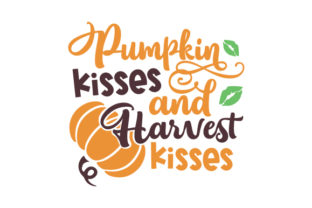
The first impression of this design is warm and inviting. It captures that specific, cozy mood of autumn without relying on the spooky or macabre elements often associated with Halloween. Instead, it leans into the harvest season, making it versatile for a wider range of Crafts and home decor items. The typography appears balanced, suggesting a design that prioritizes readability while maintaining a decorative flair. For an embroidery reviewer, this is crucial. If the letters are too thin or the spacing too tight, the thread will bridge gaps or break during stitching. From what I can observe, the layout seems thoughtful, likely intended to work well as a central focal point on garments or accessories.
Real-World Application: The Tote Bag Test
To truly evaluate a design, you have to imagine it in use. I recently considered this pattern for a custom order of canvas tote bags for a local farmer’s market vendor. The client wanted something seasonal but not strictly limited to October 31st. Pumpkin Kisses and Harvest Kisses fit this brief perfectly. When visualizing this as a tote bag design, I looked at how the quote would sit on a standard 15-inch bag. The horizontal nature of the text suggests it would span nicely across the center or sit just below the handle attachments.
However, canvas is a heavy, textured fabric. A design like this requires careful consideration of stitch density. If the digits are too dense, the fabric will pull and warp, ruining the clean lines of the letters. If they are too light, the background fabric might show through, especially if using lighter thread colors on natural canvas. I would recommend testing this on a scrap piece of similar weight fabric first. Using a cut-away stabilizer is non-negotiable here to ensure the finished product remains flat and professional after repeated washing and heavy use.
Versatility Across Apparel and Home Decor
Beyond totes, this design shows strong potential for custom apparel. Imagine it embroidered on the chest of a crewneck sweatshirt. The phrase "harvest kisses" evokes a sense of comfort, making it an ideal choice for sweatshirt embroidery aimed at young adults or families. For a baby embroidery project, such as a onesie or a burp cloth, the scale would need to be reduced significantly. This is where you must check the minimum hoop size compatibility. If the design includes intricate details or small serifs on the letters, shrinking it too much could result in a muddy, unreadable mess. Always verify the recommended minimum dimensions provided with the embroidery file.
In the realm of home decor, this pattern could shine on kitchen towels or pillow covers. A linen tea towel with this quote stitched in burnt orange or deep brown thread would make a charming personalized gift for housewarmings or Thanksgiving hosts. The key here is contrast. On white linen, a dark thread will pop, but you must ensure the stitch type—whether it is a satin stitch for the outlines or a fill stitch for larger areas—does not create bulk that makes the towel uncomfortable to use.
Technical Considerations for Clean Stitching
Let us talk about the technical side, because this is where many Etsy sellers and hobbyists stumble. The description notes that the design is available in SVG format, which is primarily used for cutting machines like Cricut or Silhouette, rather than traditional embroidery machines that read DST, PES, or JEF files. This is a critical distinction. If you are an embroiderer, you need to confirm if a true digital embroidery file is included or if this is solely a cut file for vinyl or heat transfer. If it is indeed a cut file, you cannot directly load it into your embroidery machine. You would need to use it for appliqué, cutting out fabric shapes to stitch down, which changes the workflow entirely.
Assuming you are using this as an appliqué or converting it for embroidery, pay attention to the corners of the letters. Sharp angles in typography can cause thread bunching. A well-digitized design will use underlay stitches to anchor the top stitching and prevent this. If you are creating an embroidered patch, you will need a dense border, likely a satin stitch, to encase the raw edges of the patch material. Ensure the design does not extend too close to the edge of your hoop, leaving room for this finishing border.
Another factor is fabric texture. Stretchy fabrics like jersey knits require extra care. Without proper stabilization, the act of stitching can distort the garment, making the text look wavy rather than crisp. For caps or curved surfaces, the design must be centered perfectly, and you may need to adjust the pull compensation settings in your software if you are editing the file yourself. For most users, sticking to stable, woven fabrics like cotton twill, denim, or canvas will yield the most consistent results.
Commercial Viability and Brand Consistency
For those running a craft business, the appeal of Pumpkin Kisses and Harvest Kisses lies in its broad marketability. It is not niche enough to alienate customers who do not celebrate Halloween, yet it is festive enough to drive seasonal sales. This makes it a smart addition to your design assets library. When creating printable mockups for your online shop, this design photographs well because of its clear, legible text. It allows potential buyers to easily read the message, which increases conversion rates compared to overly abstract designs.
However, professionalism is key. Before listing a small shop product featuring this design, inspect the back of your stitching. Are there excessive jumps? Is the tension balanced? Customers judge quality by the finish. A clean back indicates a well-digitized file and a skilled operator. Also, always double-check the licensing terms. Just because you bought the file does not automatically grant you the right to sell unlimited physical products. Confirm whether the license covers commercial use for finished items or if there are restrictions on quantity.
Final Verdict and Practical Tips
In summary, Pumpkin Kisses and Harvest Kisses is a promising design for autumn-themed projects, provided you navigate the technical requirements carefully. It offers a gentle, festive aesthetic that works well for gifts, boutique branding, and seasonal decor. To get the best results, follow these steps:
- Verify File Formats: Ensure you have the correct file type for your machine. If it is only SVG, plan for appliqué or vinyl application, not direct embroidery.
- Test on Scrap Fabric: Always stitch a test run on the same material you intend to use for the final product to check for puckering or thread breaks.
- Check Contrast: Use high-contrast thread colors to ensure the text is readable, especially from a distance.
- Use Proper Stabilizer: Match your stabilizer to your fabric weight. Heavy fabrics need cut-away support; light fabrics may need tear-away.
- Review Licensing: Confirm commercial rights before selling any finished product made with this design.
By treating this design with the respect it deserves in terms of preparation and execution, you can create beautiful, high-quality items that customers will love. Whether you are decorating a holiday gift or stocking your online store, this pattern has the potential to be a standout piece in your autumn collection.