Reviewing the Christmas Merry Christmas Design
As a designer who spends more time staring at stitch simulations than I care to admit, I approach every new machine embroidery design with a mix of curiosity and skepticism. We have all been there: you download a file that looks crisp on the screen, only to watch it turn into a tangled mess of thread on your hoop. That is why when I recently evaluated the Christmas Merry Christmas design, I did not just look at the preview image. I looked at how it would actually behave under the needle.
This particular asset falls squarely into the Crafts and Graphics categories, but for us embroidery professionals, it represents something more specific: a potential bestseller for the holiday rush. The design is marketed as a versatile SVG, which means its primary strength lies in its scalability and clean lines. But does that translate well to thread? Let’s break down the real-world performance of this piece.
First Impressions and Visual Personality
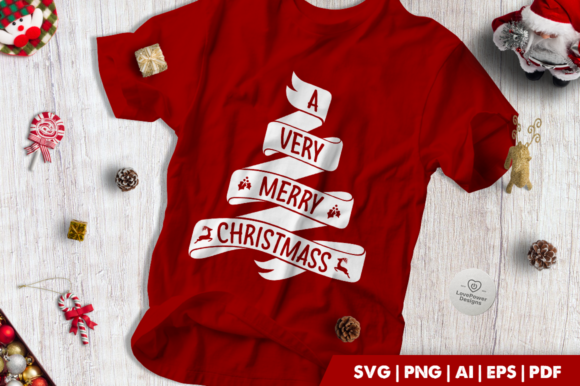
The first thing that strikes you about Christmas Merry Christmas is its balanced mood. It manages to be festive without being cluttered. In the world of holiday embroidery, there is a fine line between charming and chaotic. This design leans toward the latter only if you mishandle the scaling. At its core, the layout offers a classic typographic appeal that pairs well with traditional holiday motifs.
When I loaded the file into my editing software, I was looking for closed shapes and logical stitch paths. For a design intended for shirts, clothes, and stickers, the vector integrity is crucial. If you are converting this from an SVG to an embroidery file, the cleanliness of the original graphic dictates how smooth your digitizing process will be. The visual personality here is warm and inviting, making it an ideal candidate for products that rely on emotional connection, such as personalized gifts or family matching sets.
Real-World Application: The Tote Bag Test
To truly understand the value of this design, I simulated a common project: a custom embroidered tote bag. Tote bags are a staple for Etsy sellers and small shop owners because they offer a large, flat canvas. However, canvas fabric has a distinct texture that can swallow up fine details.
In this scenario, Christmas Merry Christmas performed surprisingly well. Because the design relies on bold lettering and clear shapes, it maintains its legibility even on textured fabrics. I envisioned using a satin stitch for the smaller accents to give them a raised, premium feel, while utilizing a fill stitch for the larger text areas to ensure coverage without excessive bulk. The result would be a sturdy, professional-looking handmade product that holds up to daily use.
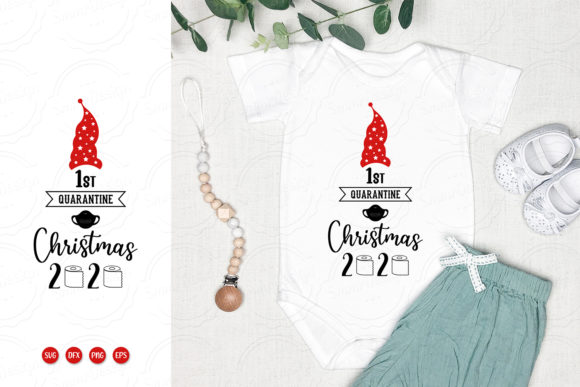
But the versatility does not stop there. Imagine this same design scaled down for a baby embroidery project, perhaps on a soft onesie. Here, the stakes are higher. You cannot use dense stitching on delicate infant skin. This is where the designer’s eye must come into play. You would need to adjust the stitch density significantly, perhaps opting for a lighter running stitch outline or a sparse fill to keep the fabric breathable and soft. The design’s inherent simplicity allows for these adjustments without losing its identity.
Navigating Fabric and Hoop Constraints
One of the most critical aspects of reviewing any digital embroidery file is identifying where it might fail. No design is universal, and Christmas Merry Christmas is no exception. While it shines on medium-weight cottons and poly-blends, it requires caution on stretchy fabrics like jersey knits used in t-shirts.
If you are creating custom apparel, particularly sweatshirts or caps, you must consider the curvature of the surface. On a cap, the design needs to be centered perfectly, and the stitch direction must follow the curve to prevent puckering. I recommend using a strong cut-away stabilizer for these applications. For curved surfaces, avoid making the design too wide, as this can cause the hoop to distort the fabric.
Another area of concern is dark fabric. If you plan to stitch this on a navy or black tote bag design or hoodie, you need high-contrast thread colors. White, gold, or bright red threads will pop, but muted tones will get lost. Always test your color palette on scrap fabric before committing to the final piece. This simple step saves hours of unpicking and frustration.
Commercial Viability for Small Businesses
For the craft business owner, time is money. A design like Christmas Merry Christmas is valuable because it is quick to stitch relative to its visual impact. High-density designs take longer and consume more thread, eating into your profit margins. This design, with its clean lines, offers a good balance of speed and aesthetic appeal.
Consider its use in commercial embroidery projects for local businesses. A cafe might want these on aprons for the holiday season. The design’s professional look enhances brand consistency, making the staff look polished and festive. Similarly, for small shop product lines, this graphic can be adapted for various items like pillow covers, tea towels, and even wooden sign overlays if you are mixing media.
However, before you list these items on your store, you must verify the licensing. Since the source material is described as an SVG for various crafts, ensure that your conversion to embroidery and subsequent sale of physical goods complies with the creator’s terms. Many design assets allow for personal use but require an extended license for commercial sales. Never assume; always check.
Technical Notes for the Embroiderer
To get the best results from this design, keep these practical tips in mind:
- Test on Scrap Fabric: Always run a test stitch-out on the same type of fabric you plan to use for the final product. This reveals issues with tension and density.
- Check Stitch Density: If the design feels too stiff after stitching, reduce the density in your software. This is crucial for garments that need to drape well.
- Hoops Matter: Ensure your hoop size is appropriate. Do not try to cram a large design into a small hoop, as this leads to distortion.
- Contrast is Key: Use contrasting thread colors to highlight the details. A monochromatic look can work, but it requires precise stitching to be effective.
- Stabilizer Selection: Match your stabilizer to your fabric. Use tear-away for stable woven fabrics and cut-away for knits and stretchy materials.
Final Verdict
The Christmas Merry Christmas design is a solid addition to any holiday collection. It is not overly complex, which makes it accessible for beginners, yet it has enough character to satisfy experienced designers looking for a clean, classic look. Its strength lies in its adaptability. Whether you are making a single personalized gift for a neighbor or producing a batch of embroidered patches for your online store, this design holds up.
Remember, the file format you start with is just the beginning. The magic happens in how you interpret it for embroidery. Pay attention to the details, respect the fabric, and always prioritize the end user’s experience. When done right, this design will not just decorate a product; it will enhance its value and appeal. Happy stitching.