Thankful for Food: A Designer’s Real-World Review
As an embroidery designer who has spent countless hours digitizing, stitching, and troubleshooting designs for clients, I approach every new machine embroidery design with a critical eye. It is not enough for a graphic to look good on a screen; it must hold up under the needle, survive the wash, and appeal to the end consumer. Recently, I evaluated Thankful for Food, a seasonal piece that aims to capture the warmth of the harvest season. This review breaks down how this design performs in actual production environments, offering practical insights for fellow designers, Etsy sellers, and craft business owners.
First Impressions and Visual Personality
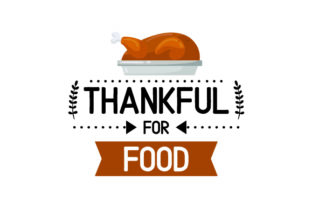
The first thing that strikes you about Thankful for Food is its inviting, autumnal mood. The composition balances typography with illustrative elements—specifically leaves and a stylized turkey meal—to create a cohesive narrative. For a designer, layout is everything. Here, the arrangement feels organic rather than rigid, which is crucial for holiday-themed items that aim to evoke comfort and tradition.
The visual personality is rustic yet polished. It avoids the overly cartoonish trap that many Thanksgiving graphics fall into, opting instead for a look that fits well in modern farmhouse decor or boutique apparel. When I visualize this as a finished product, I see it working best on items that benefit from a touch of whimsy without sacrificing sophistication. The quote itself serves as a gentle reminder of gratitude, making it emotionally resonant for customers looking for meaningful personalized gifts.
Real-World Application: The Tote Bag Test
To truly understand the viability of any embroidery file, you must imagine it on specific substrates. I mentally placed Thankful for Food on a heavy canvas tote bag, a popular item for fall markets. The design’s horizontal orientation works well here, allowing the text to remain legible while the turkey and leaf accents frame the message nicely.
In this scenario, the thread colors become paramount. Autumn palettes rely on rich browns, burnt oranges, and deep greens. If you are using this for a tote bag design, ensure your thread selection has enough contrast against the fabric. A natural beige canvas paired with dark chocolate brown lettering and vibrant orange leaves would make the design pop. However, if the stitch density is too high in the leaf areas, you risk puckering the canvas. This is where a designer’s judgment comes in: you may need to adjust your stabilizer choice, opting for a cut-away stabilizer to support the weight of the stitches on a flexible fabric like canvas.
Apparel and Custom Sweatshirts
Moving from accessories to apparel, Thankful for Food shows promise as a sweatshirt embroidery centerpiece. Holiday gatherings often call for comfortable, festive clothing. Placing this design on the left chest or as a larger back print can elevate a basic sweatshirt into a coveted seasonal item. However, knit fabrics present challenges. The stretch of a cotton-blend fleece requires careful attention to stitch density. If the design uses dense fill stitch areas for the turkey body, it could pull the fabric out of shape. I recommend testing a sample on scrap fabric identical to your final garment. Using a lightweight tear-away stabilizer might suffice for lighter knits, but heavier fleeces may require a combination of stabilizers to maintain shape integrity.
For custom apparel businesses, this design offers versatility. It can be scaled down for a subtle pocket emblem on a flannel shirt or enlarged for a statement piece on a hoodie. The key is maintaining the clarity of the lettering. Small details in the leaves should not merge into a blob of thread when scaled down. Always check the smallest elements of the design at your intended size before committing to production.
Navigating Technical Challenges
While Thankful for Food is visually appealing, there are areas where caution is necessary. Any design featuring text and intricate illustrations requires a balance between aesthetic detail and mechanical feasibility.
- Small Hoop Sizes: If you plan to use this on caps or small patches, verify that the design fits within your hoop without compromising legibility. Tiny lettering can become unreadable if the design is reduced too much.
- Textured Fabrics: Towels and waffle-weave blankets have uneven surfaces. The running stitch outlines in the design must be secure enough not to get lost in the texture. A topping stabilizer might be necessary to keep stitches sitting on top of the fabric loops.
- Dark Fabrics: When stitching on dark navy or black fabrics, ensure your thread colors are vibrant enough. Sometimes, a satin stitch border around the entire design can help separate it from the background, enhancing visibility.
- Curved Surfaces: Embroidering on caps requires specialized hoops and techniques. The curvature can distort the perspective of the turkey and leaves. Centering the design precisely is critical to avoid a skewed appearance.
Additionally, consider the washing instructions for the final item. Kitchen towels and aprons undergo frequent laundering. Dense stitch areas can become stiff over time. If you are creating a holiday embroidery item meant for heavy use, such as an apron, consider using lighter fill patterns or incorporating applique design techniques where fabric pieces replace some of the dense stitching. This reduces bulk and improves durability.
Commercial Value and Brand Consistency
For Etsy sellers and small shop owners, the commercial viability of a design hinges on its ability to attract buyers and reflect brand quality. Thankful for Food fits seamlessly into the Crafts category, particularly for those specializing in home decor and seasonal gifts. Its thematic relevance ensures it has a defined selling window, but its classic style allows it to remain relevant year after year.
When listing this as a digital embroidery file or selling finished goods, presentation is key. Use high-quality printable mockup images that show the design on various products. Show potential customers how it looks on a pillow cover, a tea towel, and a onesie. This helps them visualize the versatility of the design. For commercial embroidery projects, consistency in stitch quality builds customer trust. A clean, well-digitized design like this one, when executed properly, enhances the perceived value of your handmade products.
Brand consistency also involves choosing the right products for the design. Thankful for Food aligns well with brands that emphasize warmth, family, and tradition. It may not fit a minimalist, ultra-modern brand aesthetic, so know your audience. For craft business owners, curating your product line to match your brand voice is essential for long-term success.
Practical Designer Notes for Execution
Before you load this design into your machine, take these practical steps to ensure a successful outcome:
- Test on Scrap Fabric: Never skip this step. Stitch the design on the same type of fabric you intend to use for the final product. Check for puckering, thread breaks, and color accuracy.
- Check Thread Contrast: View your thread spools against the fabric in natural light. Ensure the colors complement each other and the background.
- Review Stitch Density: If your machine allows, preview the stitch count and density. High-density areas may need slower stitching speeds to prevent needle heat and thread breakage.
- Confirm Hoop Size: Ensure the design dimensions fit comfortably within your hoop, leaving enough margin for clamping.
- Inspect Small Details: Zoom in on the digital preview. Are the tiny leaf veins too close together? If so, you might need to simplify them or use a finer needle.
- Test Black and White Mockups: Convert your mockup images to grayscale to check value contrast. This helps ensure the design is readable even without color cues.
- Use Proper Stabilizer: Match your stabilizer to your fabric. Cut-away for stretchy knits, tear-away for stable wovens, and wash-away for delicate or textured fabrics.
- Verify Licensing: If you are selling finished items or digital products, confirm the license terms for Thankful for Food. Ensure you have the right to use it for commercial purposes.
In conclusion, Thankful for Food is a strong contender for your autumn project lineup. It offers a blend of charm and professionalism that appeals to a wide audience. By paying attention to technical details like stabilizer choice, thread contrast, and fabric compatibility, you can transform this digital asset into a high-quality handmade product that customers will cherish. Whether you are creating a baby embroidery gift or stocking your online store with festive decor, this design provides a solid foundation for creative expression.