Which Witch: A Designer’s Take on Halloween Embroidery
As someone who has spent countless hours digitizing patterns and troubleshooting thread breaks, I approach every new machine embroidery design with a mix of curiosity and skepticism. We have all been there: you download a cute graphic, load it onto your machine, and hope for the best, only to find out the stitch density is too high or the details are too fine for standard cotton. That is why when I first pulled up the Which Witch file, I wasn’t just looking at a funny quote; I was evaluating its viability as a serious asset for my craft business.
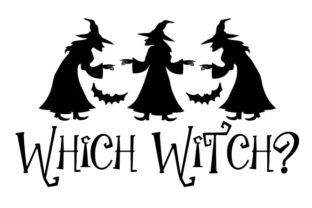
The premise is simple yet effective. The phrase "Which witch" plays on the classic homophone confusion, delivering a pun that is perfect for the spooky season. But beyond the humor, the real question for any Etsy seller or boutique owner is whether this design holds up under the needle. Does it translate well from a digital screen to actual fabric? After reviewing the layout and considering its application in various embroidery projects, here is my practical assessment of how this design performs in the real world.
First Impressions and Visual Personality
The immediate appeal of Which Witch lies in its playful tone. It does not take itself too seriously, which makes it incredibly versatile for a wide range of customers. For Halloween, we often see designs that lean heavily into gore or intricate, scary imagery. While those have their place, they can be limiting when it comes to everyday wear or family-friendly gifts. This design offers a lighter, more whimsical alternative. It feels approachable, making it an excellent candidate for custom apparel that people might want to wear beyond October 31st.
From a layout perspective, the balance between text and any accompanying graphical elements (if included in your specific version of the file) is crucial. In my experience, quote-based designs rely heavily on font choice and spacing. If the letters are too close together, the satin stitch or fill stitch work can merge, creating a blob of thread rather than legible text. When I inspected the Which Witch preview, the spacing appeared generous enough to allow for clean stitching, even on medium-weight fabrics. This attention to readability is what separates a amateur clip-art job from a professional digital embroidery file.
Real-World Application: The Tote Bag Test
To truly understand the value of a design, you have to imagine it on a physical product. I recently worked on a batch of canvas tote bag design prototypes for a local farmer’s market vendor. She wanted something seasonal but not overly thematic, so she could sell them through November. Which Witch was a top contender.
Canvas is a sturdy fabric, but it has a distinct texture. When embroidering on textured materials, you need a design that is bold enough to stand out against the weave. Delicate running stitch details often get lost. Fortunately, the bold nature of this quote suggests it would pop nicely on a natural-colored tote. I envision using a deep purple or black thread to create high contrast. The result would be a handmade product that feels substantial and well-crafted, rather than flimsy. Customers love items that look like they were made with care, and a clean, well-executed embroidery job builds immediate trust.
Expanding Beyond Bags: Sweatshirts and Caps
While totes are great, the bulk of my revenue comes from sweatshirt embroidery. Fleece and French terry cloth present different challenges. They are thick and plush, which means the design needs to sit on top of the fabric rather than sink in. For Which Witch, this means using a proper cut-away stabilizer is non-negotiable. Without it, the weight of the stitches could pull the fabric, distorting the letters.
I also considered this design for caps. Embroidering on curved surfaces is tricky. If the design is too wide, it will wrap around the curve and become unreadable from the front. Before committing to a production run of hats, I would strongly advise checking the dimensions of the Which Witch file. If it fits within a standard 4x4 or 5x7 hoop size, it could work beautifully on the side panel of a dad hat. However, if it is a larger landscape design, it is better suited for the back of a sweatshirt or the center of a pillow cover.
Technical Considerations for Crafters
Let’s talk about the nuts and bolts of stitching this design. Whether you are a hobbyist making gifts or a commercial operator fulfilling orders, technical precision matters. Here are a few things to keep in mind:
- Fabric Choice: Avoid thin, stretchy fabrics like lightweight jersey unless you are experienced with hooping techniques. The design needs stability. Denim, canvas, fleece, and heavy cotton are your best friends here.
- Thread Colors: Since this is a Halloween theme, traditional orange, black, and purple are obvious choices. However, don’t be afraid to experiment. A teal or mint green thread on a dark navy sweatshirt can make the design feel modern and fresh, appealing to buyers who want subtle holiday spirit.
- Stitch Density: Always check the stitch count if provided. High-density fills can cause puckering. If the design feels too dense in your simulation software, consider adding underlay stitches or adjusting the tension on your machine.
- Test Stitches: Never skip the test run. Stitch Which Witch on a scrap piece of the same fabric you plan to use for the final finished product. This allows you to check for thread breaks and color registration issues before you ruin a expensive garment.
Commercial Viability and Branding
For small shop product lines, consistency is key. Using a cohesive set of design assets helps build brand recognition. Which Witch fits well into a broader collection of pun-based holiday designs. It appeals to the demographic that loves Crafts and DIY culture but also appreciates wit. This makes it a strong seller for personalized gift markets.
When listing this on platforms like Etsy, the versatility of the design is your selling point. You can market it as an applique design if you layer it over fabric scraps, or as a standard embroidery piece. Highlighting its use in baby embroidery (perhaps on a onesie for a "little witch") or as part of a holiday embroidery bundle can increase perceived value. Just ensure you understand the licensing terms. Most designers allow you to sell the physical embroidered patch or garment, but reselling the digital file itself is usually prohibited. Always confirm these details to protect your business.
Final Verdict
In the crowded market of seasonal designs, Which Witch stands out because it balances humor with aesthetic simplicity. It is not overly complex, which reduces production time and risk of errors, making it ideal for both beginners and high-volume producers. By paying attention to fabric selection, stabilizer use, and hoop placement, you can turn this digital file into a high-quality commercial embroidery asset that customers will love. It is a reliable, fun, and profitable addition to your autumn catalog.